
The challenge of getting ADHD support: Anita’s story

Last May, our research highlighted the impact that Attention Deficit Hyperactivity Disorder (ADHD) has on people’s lives, as well as changes we are calling for to ensure everyone gets the support they need.
In December, the government launched an independent review into mental health conditions, ADHD and autism, to help to better understand how prevalent these conditions are, and how best to support people to get the right care.
A year on from the publication of our research, Anita’s story about her fight for ADHD care shows why getting the right support is vital to helping people to live well.
Anita’s story
Anita, 53, from Peterborough, has been living with several mental health conditions for many years. In autumn 2025, she was also diagnosed with ADHD.
“My GP surgery has a really good mental health nurse,” Anita explains. “I was already seeing her about some other conditions, and she advised me to get checked out for ADHD.”
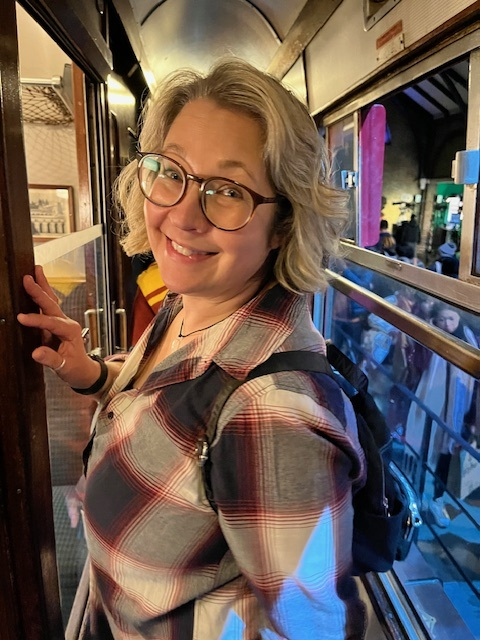
Facing many years on an NHS waiting list, Anita instead decided to use the NHS Right to Choose programme to get a psychiatric assessment. She was referred to Care ADHD, whose psychiatric team gave Anita a formal diagnosis of ADHD.
Anita is now on medication to help manage her symptoms. Her prescription is sent directly to her home by the Care ADHD team. This arrangement has been in place since the start of the year.
Anita says that she requested a shared care agreement via her GP surgery, but they will only accept these arrangements if the person is diagnosed by a local NHS service.
“I was really upset by their decision not to agree to a shared care arrangement,” Anita says, explaining that they are reluctant to take on cases diagnosed outside of their local NHS trust.
Since receiving her diagnosis and starting on medication, Anita says that her ADHD symptoms have become more manageable. She says that it doesn’t take away the extreme emotions she experiences, but it helps to ‘calm the brain noise’.
Anita, who’s been unable to work since September, is hoping that getting treated will help her to get back into work, and that she’ll be able to handle tasks better and feel more confident.
But, she says, medication is just a tool to help her, not a permanent fix. She still wants psychosocial support to help her to manage her symptoms more holistically. Anita is also concerned that her care package could stop, and that without a shared care agreement in place with her GP surgery, she might be left without her medication or any formal support.
“Maybe life would have been easier if I’d been diagnosed and started treatment earlier. But we can’t look backwards and can only go forward.”
What are the barriers to ADHD care?
Last year we published research on the challenges facing people trying to access support for ADHD.
Learn more about the barriers to care and what can be done to help people to get the support they need.