
A&E nightmare: Shelley's 26-hour ordeal
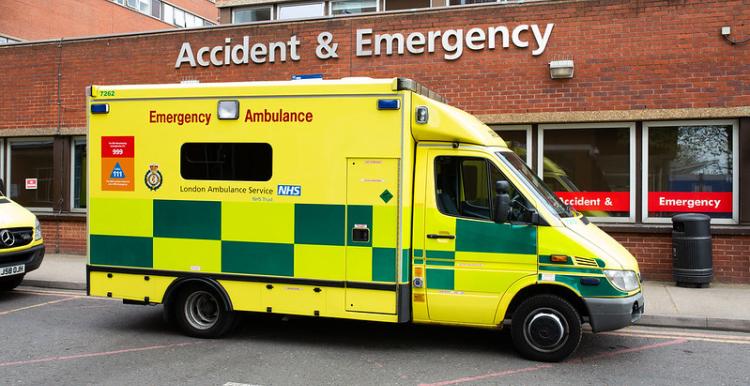
Shelley, 50, from Surrey, is living with severe asthma. In the last year, she’s had to visit A&E multiple times for issues relating to her respiratory health. She’s even been admitted to hospital as an inpatient on several occasions since October.
On every visit to hospital, she explains, her symptoms would improve, and she would be discharged from care, only for things to get worse again.
On her last visit, in January 2026, Shelley spent 26 hours in A&E with pneumonia, waiting for treatment. Shelley describes this as an “absolutely hellish experience”.
Shelley’s latest ordeal took place on a Sunday. She says that her symptoms were getting worse over the course of the day. She was worried that she might have sepsis.

Shelley dialled 111, and the operator advised her to go to A&E. She drove to the hospital and announced herself to reception at 9pm. Shelley says that when she arrived, the scene was “chaos and terrifying”.
“I didn’t feel safe at all. There were people lying over rows of chairs. Some people were getting very aggravated and angry about waiting so long for help,” she says.
Eventually, Shelley was moved out of the main reception to another part of the A&E. However, she was never offered a bed at any point, or any food. She was too unwell to walk to the cafeteria.
Shelley explains that she had to wait so long because the A&E was extremely busy, and there weren’t enough doctors available to treat everyone who needed care. She waited for seven hours before she even saw a doctor in A&E, and even longer before other specialist doctors were able to attend to her.
“I was there for so long that I saw three shift changes,” Shelley explains. “I even saw some staff go home and then come back for a new shift, but I was there the whole time.”
Shelley is far from the only person who’s had a difficult experience at A&E. Our latest insight piece looks at the stories we’ve heard from people who’ve faced long waits, been treated in unsuitable spaces such as corridors, and felt a lack of privacy and dignity. It also outlines our recommendations for how NHS and government leaders can address the crisis.