Beyond the Battlefield: Veterans' Struggles for NHS Care
Mark's battle for understanding and care
Mark, 68, served for over 20 years in the Royal Marines. He estimates he spent around half his military career away from home, including deployments to Northern Ireland, the Falklands and the Middle East.
Mark is proud of the time he spent in the military, but it also took a heavy toll on his physical and mental health. Since leaving the armed forces, Mark has struggled to get the care he needs.
"I've found that most health services I've used don't have a clue about the physical or mental stresses of being in the armed forces," Mark says. "Unless I'm fortunate enough to come across an ex-service person who can relate to my experiences."
The physical demands of Mark's service took a toll on his body, which required him to seek out follow-up NHS care after he moved into civilian life. Mark was told that he’d need a knee replacement while he was only in his early 40s. "My GP was shocked at the state of my joints," Mark said. "My doctor said the wear on my knees was much more than he'd expect to see on a man of my age.
"At the time I thought, 'yeah, because you don't see what us squaddies have to put ourselves through'. "
Mark also struggled to get mental health support in civilian life. He says that the difficulty of getting help via the NHS left him in danger.
Unable to get the help he needed, Mark reached out to Combat Stress, a charity supporting veterans with their mental health. Through their own services, Mark got the support he needed. "If not for their help, I might not be here now," Mark explains.
Mark would like NHS staff, especially GPs, to have more specialist training to understand how injuries and stresses from military service are affecting veterans. "We put ourselves through physical and mental strains that just don't exist in civilian life," Mark explains. "Unless our GPs understand that, it'll be continue to be very difficult to get the care we need."
The legacy of combat: Ian's story
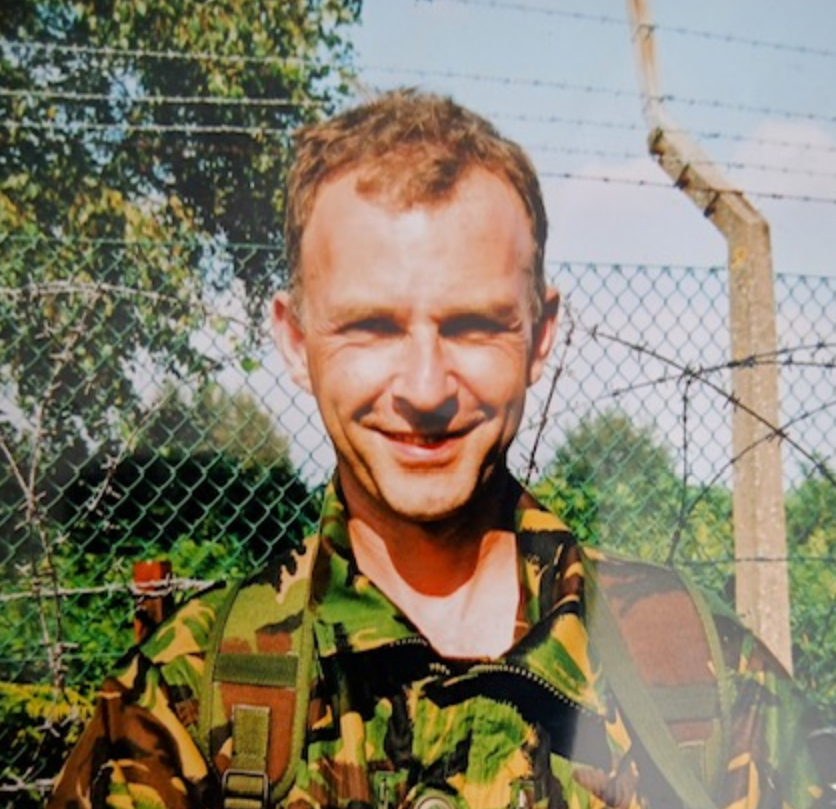
Ian, 63, from Leicestershire, was one of the first soldiers, along with one other, rescuer to respond to the 1981 Chelsea Barracks bombing. His long army career saw him posted across the globe, including being deployed as a combat medic to Iraq in 2003.
But, in civilian life, including 19 years serving as an NHS paramedic, Ian has struggled to get the care he needs, and he feels that the NHS understands very little about the unique health challenges that veterans face.
The acute stress and trauma of combat, both physical and mental, follow many veterans home and into their civilian lives. Even to this day, Ian is affected by events he experienced decades ago. But Ian says that the mental health challenges confronting veterans aren't well understood by many civilian medical practitioners.
"You can't imagine the pressures placed on you in combat, unless you've experienced it," Ian says, adding that on deployment, there's no let-up from the constant pressure and anxiety of knowing you might be sent into danger at a moment's notice.
While many organisations and charities support ex-service personnel, the NHS ultimately carries the burden of caring for veterans once they leave the forces. Ian says that many services he's used, like GP surgeries, consider themselves 'veteran friendly' and make an effort to help veterans. However, things won't improve for veterans and their families unless there's a deeper understanding of their challenges and the type of help they need.
"There is very little understanding in the NHS about the pressures of being deployed to a war zone and what effect this has on a person for the rest of their life," Ian says. "It's time for GPs to understand what it means to be a veteran."
What is Healthwatch doing for veterans?
Healthwatch teams are working in communities across England, helping veterans and their families to get the care they deserve.